Saucony Endorphin Speed 6 Overview & First Run Review
Below we are sharing our thoughts on the Saucony Endorphin Speed 6 and comparing it to the Endorphin Speed 5.

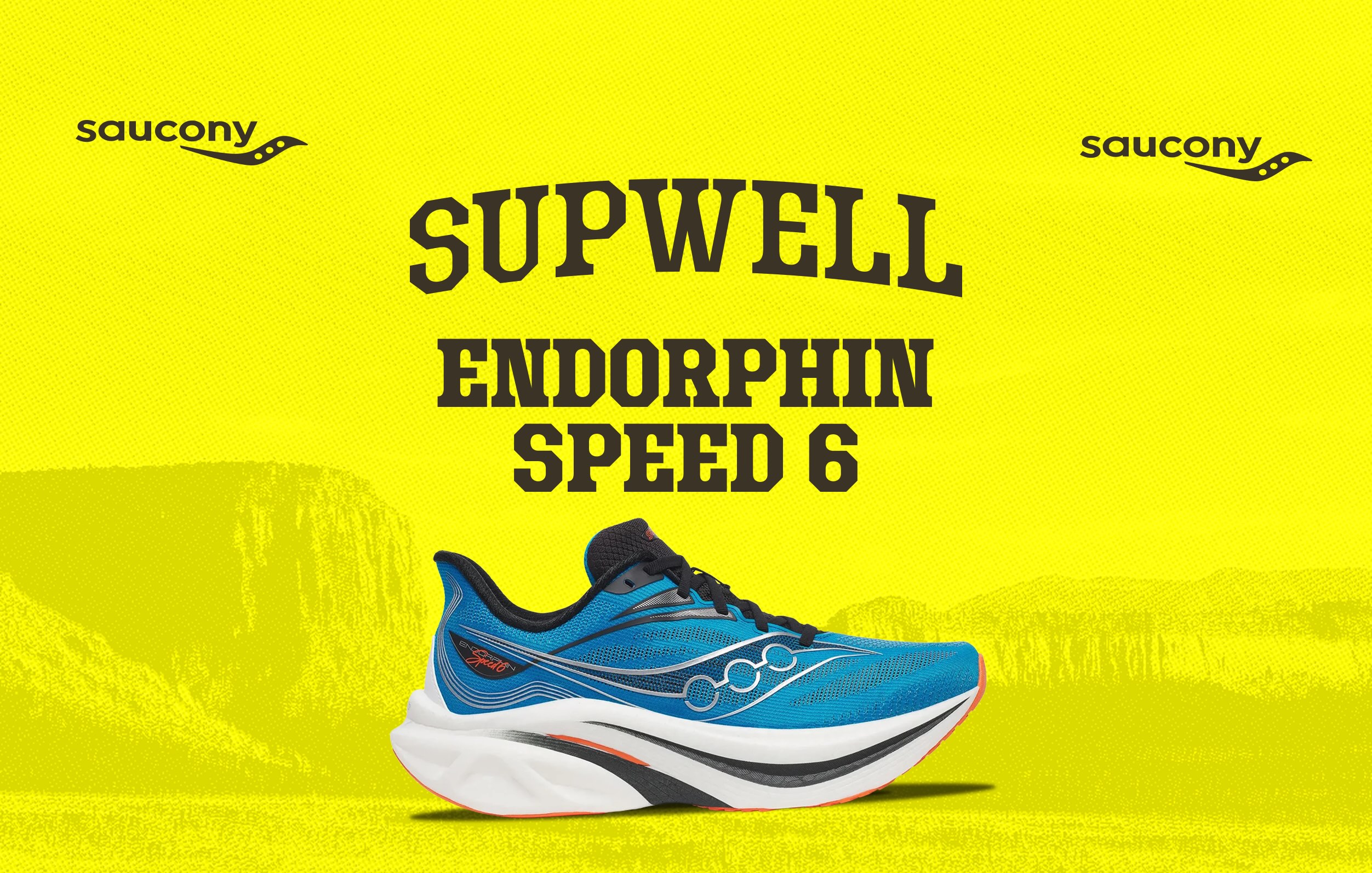
The Endorphin Speed is set to return with a revamped look and feel. One of the iconic nameplates of the 2020s, this version features a visual return to the aesthetic of the venerated Endorphin Speed 1 and Endorphin Speed 2, while debuting a new foam for the first time in the history of the series. PWRRUN PBX is formulated to be lighter, softer and bouncier, while the stack height also bumps up by 2mm to give more comfort and protection underfoot. As with previous versions, the 6 has the plastic plate for added stability and snap.
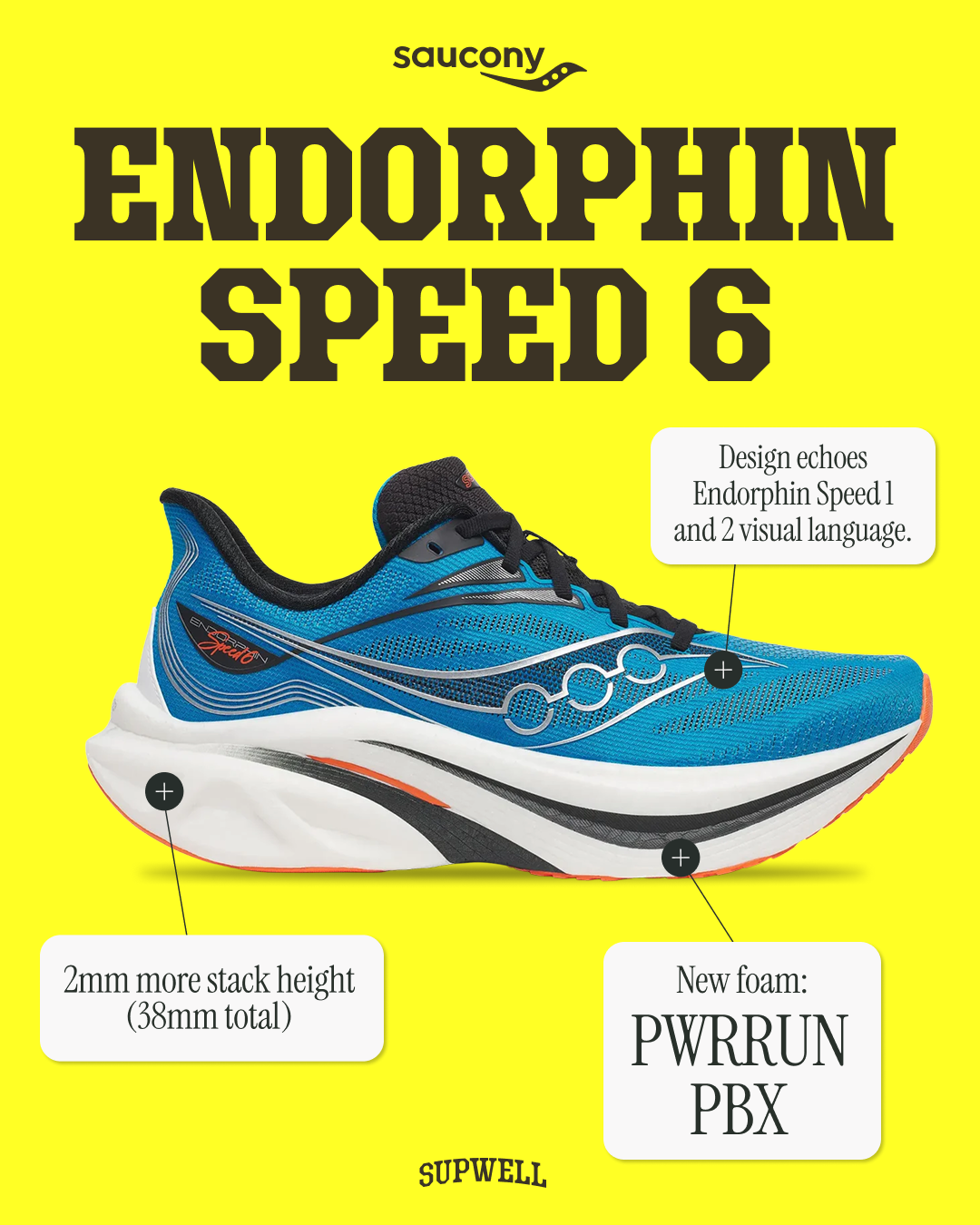
Specs of the Saucony Endorphin Speed 6
Stack Height: 38mm in the heel with an 8mm drop
Weight: 227 grams or 8.0 ounces in a US Men's sample size 9
Midsole Composition: New PEBA foam called PWRRUN PBX with a plastic plate
Price: $180
Saucony Endorphin Speed 6
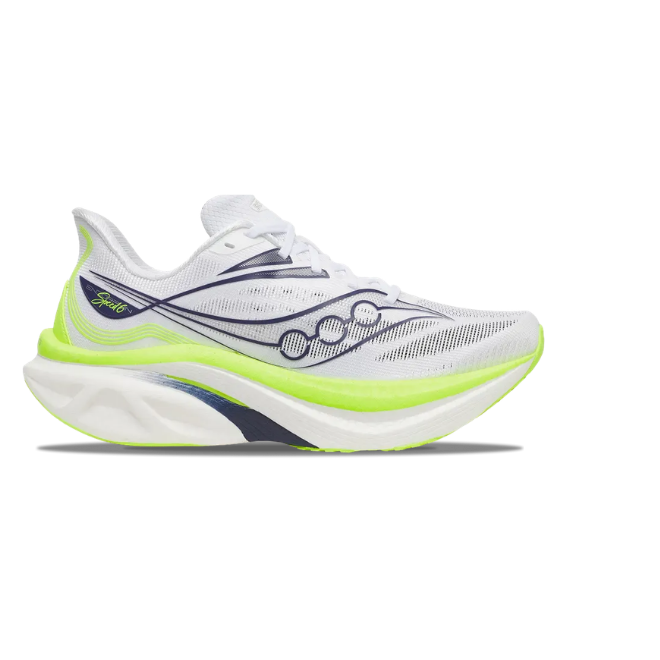
Comparing the Saucony Endorphin Speed 6 to the Endorphin Speed 5
Marketing Brief
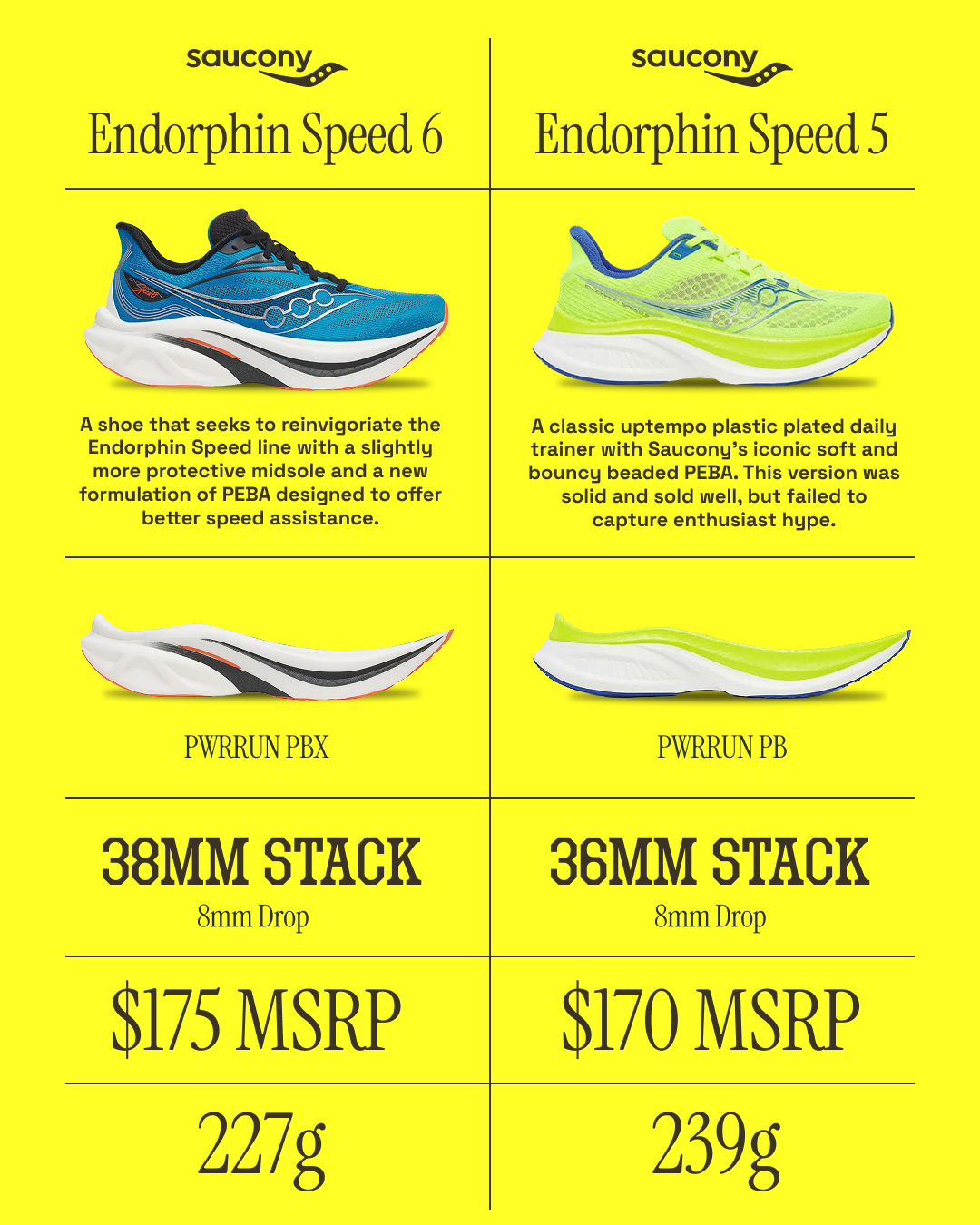
The Endorphin Speed 5 released as a classic uptempo plastic plated daily trainer with Saucony’s iconic soft and bouncy beaded PEBA. This version was solid and sold well, but failed to capture enthusiast hype. The Endorphin Speed 6 was designed to reinvigorate the Endorphin Speed line with a slightly more protective midsole and a new formulation of PEBA in an effort to offer better speed assistance.
Midsole Construction
The Endorphin Speed 5 featured the same foam, in name, that was present in all of the Endorphin Speed shoes. However, it wasn't as soft and bouncy as the PWRRUN PB that we loved so much in the Endorphin Speed 3. With the Endorphin Speed 6, Saucony debuted their new PWRRUN PBX foam, which they said was the softest, lightest, and bounciest PEBA to be used in this franchise. Unfortunately, this was not our experience in the shoe. As with all the Endorphin Speed shoes, the 5 and 6 also feature a nylon plate to add stability and speed assistance off the forefoot.
Stack Height, Drop and Weight
In the Endorphin Speed 6, the stack height in the heel was raised by 2mm up to 38mm with the same 8mm drop that was present in the previous versions. Interestingly, the earlier versions of the Endorphin Speed were quite light for their time, but the weight increased in the v5 and came down slightly in the v6.
Price
The price in the Endorphin Speed 6 increased by $10 to $180 from $170 in the Endorphin Speed 5.
Summary & Our Review
The Endorphin Speed line is one of the most influential franchises in this category, helping popularize the idea of using a plastic or nylon plate in a trainer rather than a traditional carbon-plate found in race shoes.
The first three versions were known for their soft, bouncy PEBA foam and energetic ride, while versions four and five moved in a noticeably firmer direction and lost some of that fun, responsive character. For version six, Saucony introduces a new foam called PWRRUN PBX, although it remains a PEBA-based compound. Unfortunately, the change doesn't bring back the softer, more energetic feel we liked from the earlier versions. In fact, the Speed 6 may have the firmest underfoot feel of the entire Endorphin Speed lineup.
Saucony also increased the stack height by 2mm, added a wider and more substantial heel, and managed to drop a small amount of weight compared to version five. On paper, these changes sound promising, but the step-in feel left us wanting more. For a speed trainer, we'd expect a combination of performance-oriented foam and geometry with enough comfort and cushioning to make it versatile enough for everyday training.
Once we got it out on the road, we found the ride to be fairly clunky. The foam feels firm without providing much energy in return, and the forefoot doesn't offer enough cushioning or protection to make the shoe particularly enjoyable over longer or faster efforts. Overall, the ride felt more harsh and less responsive than we'd expect from an Endorphin Speed.
If you're looking for a versatile uptempo trainer or workout shoe, we'd take a look at options like the New Balance SC Rebel v1, Dynafish Xiaonian, or the ASICS Sonicblast 2.
For Yowana's full first run review video, check out the Supwell YouTube channel:
For a weekly dose of MILEAGE, shoe reviews, and inspiration, sign up for Mileage Mantra, the Supwell weekly newsletter.
Find your next running shoe
Answer a few questions to find the best shoe based on your preferences and goals