Our Thoughts on the Hoka Skyward X 2 After 100 Miles
After 100 miles, we are breaking down all the reasons why we really like the Hoka Skyward X 2 and a few things we don't love about it. Find out if the update to the iconic OG Skyward X is worth adding to your running shoe rotation.


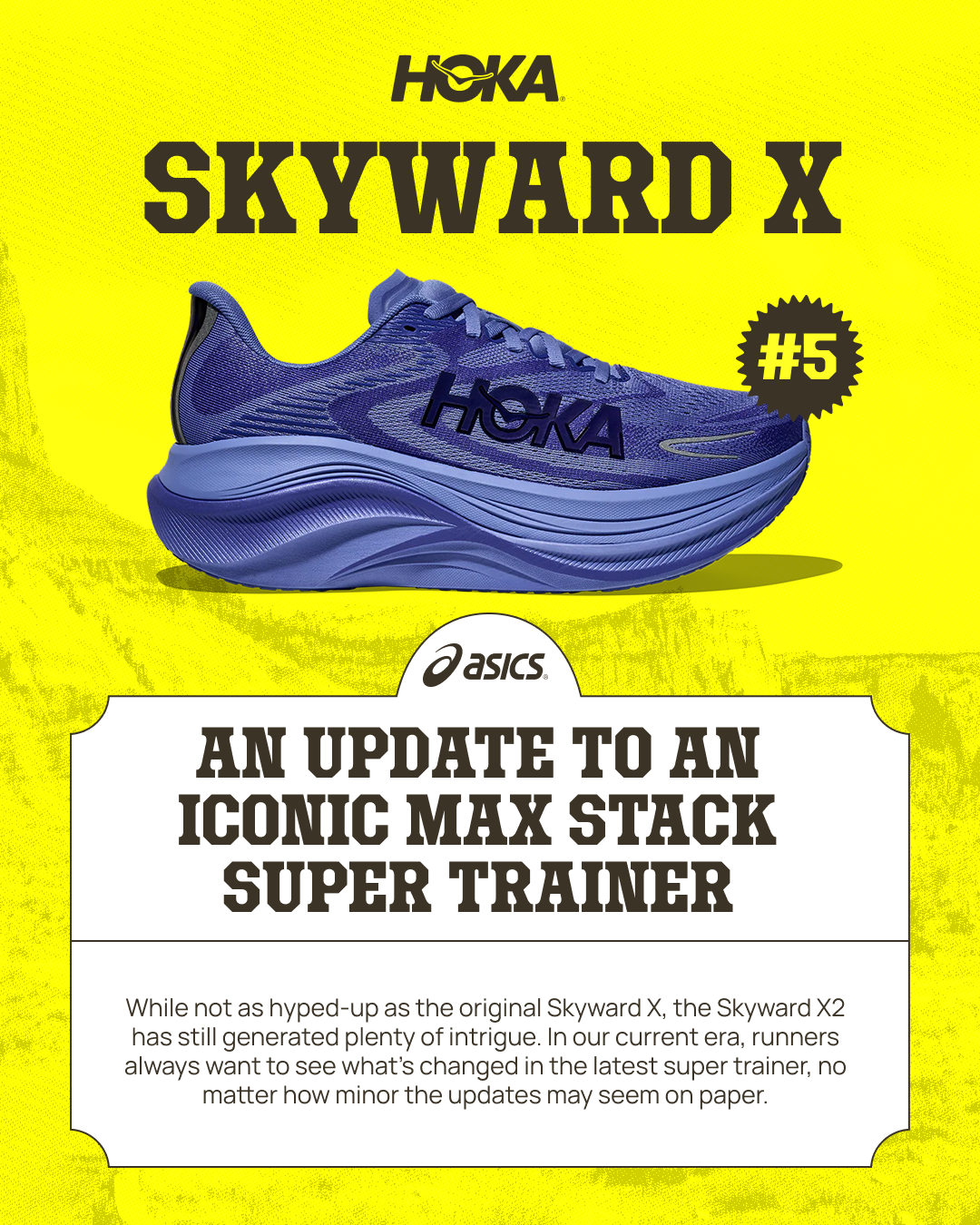
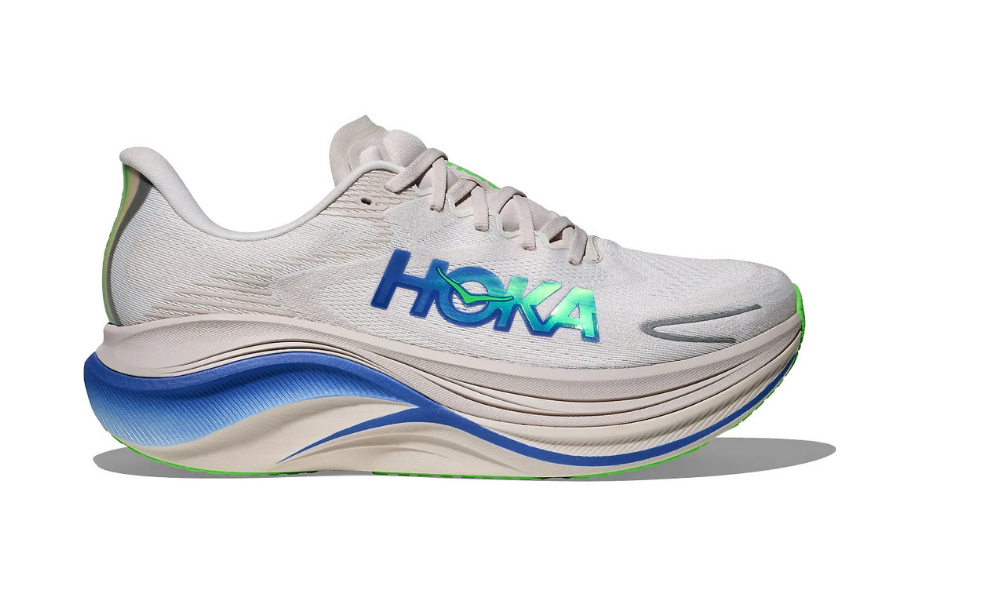
The Skyward X is Hoka’s max-stack trainer, designed for a plush yet responsive ride. We measured it at around 47mm in the heel with a 5mm drop, which is less than the OG Skyward but the 2 does lose a healthy amount of weight. With a top layer of PEBA foam, a bottom layer of supercritical EVA, a lighter jacquard mesh upper, and a thick layer of outsole rubber, this shoe was built for the long haul. Below we will tell you why we had no trouble getting it up to 100 miles.
Why We Think You'll Love the Hoka Skyward X 2
Its Long Run Capabilities
The Skyward X 2 knows exactly what it is and who it’s for, and it makes zero compromises to deliver on that purpose. After 100 miles, we think this is an excellent long run and high mileage trainer, and surprisingly the lower stack height and reduced weight from the OG Skyward X actually made it better for those efforts. While we loved the OG Skyward X and even ranked it as one of our favorite shoes ever, we never wanted to take all that shoe on foot for a 2.5 to 3 hour run. With the X 2, we’d confidently take it deep into long runs with no problem. The Skyward X 2 is Supwell Certified for the long run.
Its Lack of Aggression
This might be the least aggressive carbon-plated shoe on the market, and that’s exactly why we’re loving it for big mileage days. Instead of feeling overly snappy or race-day focused, it rides more like a max-cushion cruiser with smooth geometry, tons of protection, and a comfortable underfoot feel that lets it completely disappear on foot. For long runs, recovery miles, and those days with beat-up legs, this is the kind of shoe that helps us keep stacking smooth, comfortable miles.
The Upper
The OG Skyward X had a very suffocating upper that made it difficult to use in the hotter summer months and overall it lacked breathability. The upper in the X 2 is made of a much more breathable jacquard mesh and doesn't feel at all stifling. The fit is good and we were able to go with our normal size. There is just enough padding in the tongue and heel to still make it feel like a great cruiser for stacking lots of miles without sacrificing comfort.
Hoka Skyward X 2
Things to Consider Before Buying the Hoka Skyward X 2
The Outsole
Much like its predecessor, the Skyward X 2 features a standard rubber outsole that does not have great traction on wet pavement. We wish Hoka would use the same grippy CPU outsole that is used on the Cielo X1 3.0. Based on how the OG Skyward X outsole held up to wear, we don't expect the outsole on the X 2 to be the most durable, but ours is looking pretty good after 100 miles of use.
Lack of Versatility
If you are looking for a super versatile training shoe, the Skyward X 2 might not be the best choice. It excels as a more protective, stable, and smooth ride built for slow cruising. For pure recovery and easy Zone 2 runs, the Skyward X2 stands out as one of the most comfortable and supportive options out right now. If you are looking for something to handle more up-tempo miles, you might prefer the ASICS Superblast 3 or the Adidas Hyperboost Edge, but neither of those options does as a good job for true recovery runs as the Skyward X 2.
If you want to watch Yowana's full 100 mile review, check out the Supwell channel on YouTube:
Supwell Shoe Matcher
Whether you're looking for a reliable easy run shoe, pampering comfort on recovery days, a long-run cruiser, or a race day weapon, check out our Shoe Matcher tool to get matched. We've done the extensive testing, so you don't have to.
Find your next running shoe
Answer a few questions to find the best shoe based on your preferences and goals