Top Tech Innovations in Running Shoes in 2025
Running shoe technology is innovating rapidly and we saw many new technological advancements this year. Below we are detailing the top technological innovations in running shoes in 2025 in shoes like the Puma Fast-R 3, ASICS Metaspeed Sky Tokyo, Nike Vomero Premium, and Skechers Aero Burst.

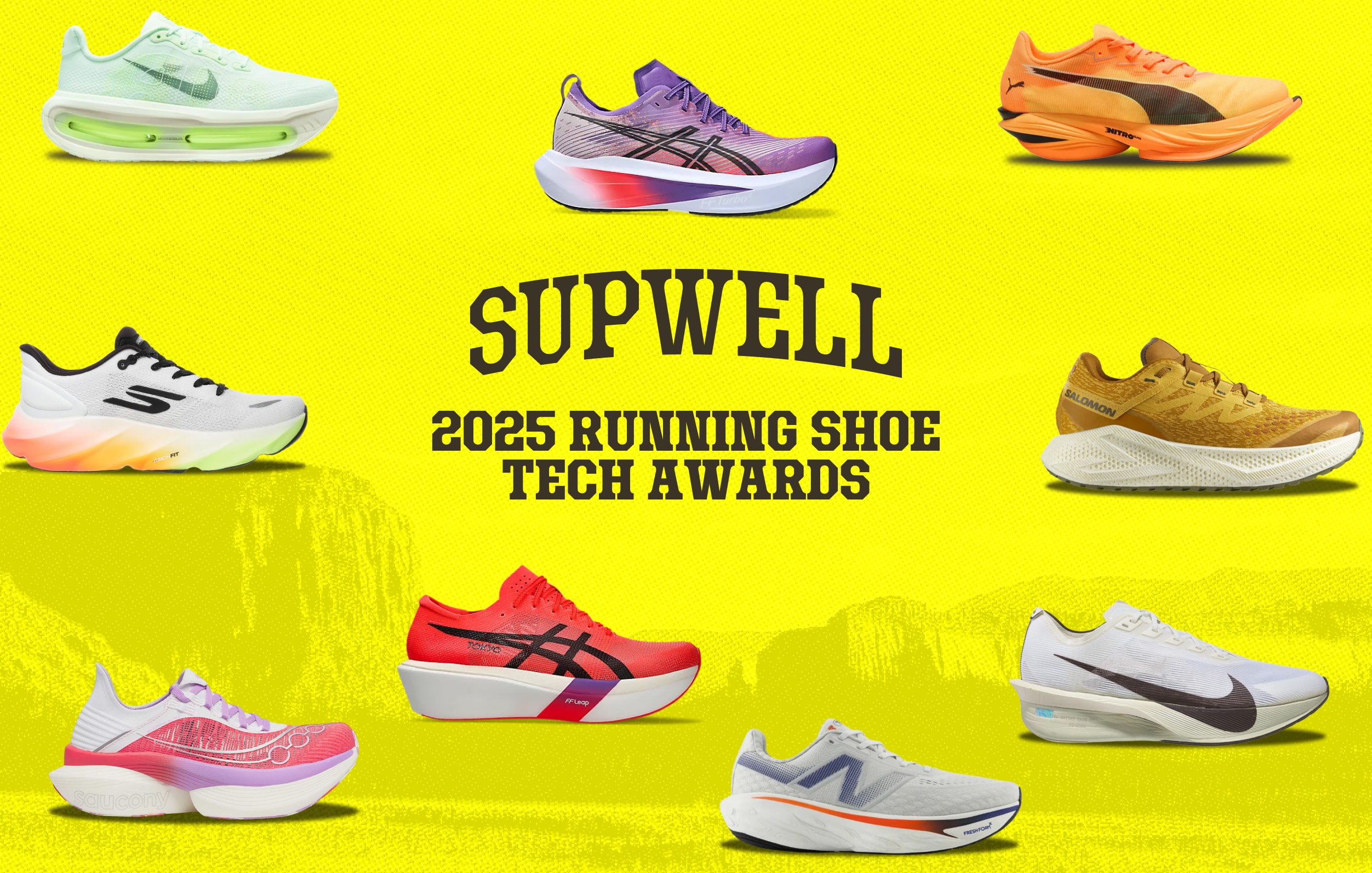
Running shoes are evolving so fast that 2025 already feels like a reset button for the whole industry. We’re watching daily trainers turn into max-stack monsters while still borrowing speed tech from race shoes. Brands are pushing past 40mm, mixing plates, and blending categories that used to be completely separate. The wild part is that almost every company is taking a different approach, which means we get more options and more personality in what we run in. It’s easily one of the most innovative years we’ve seen in a long time.
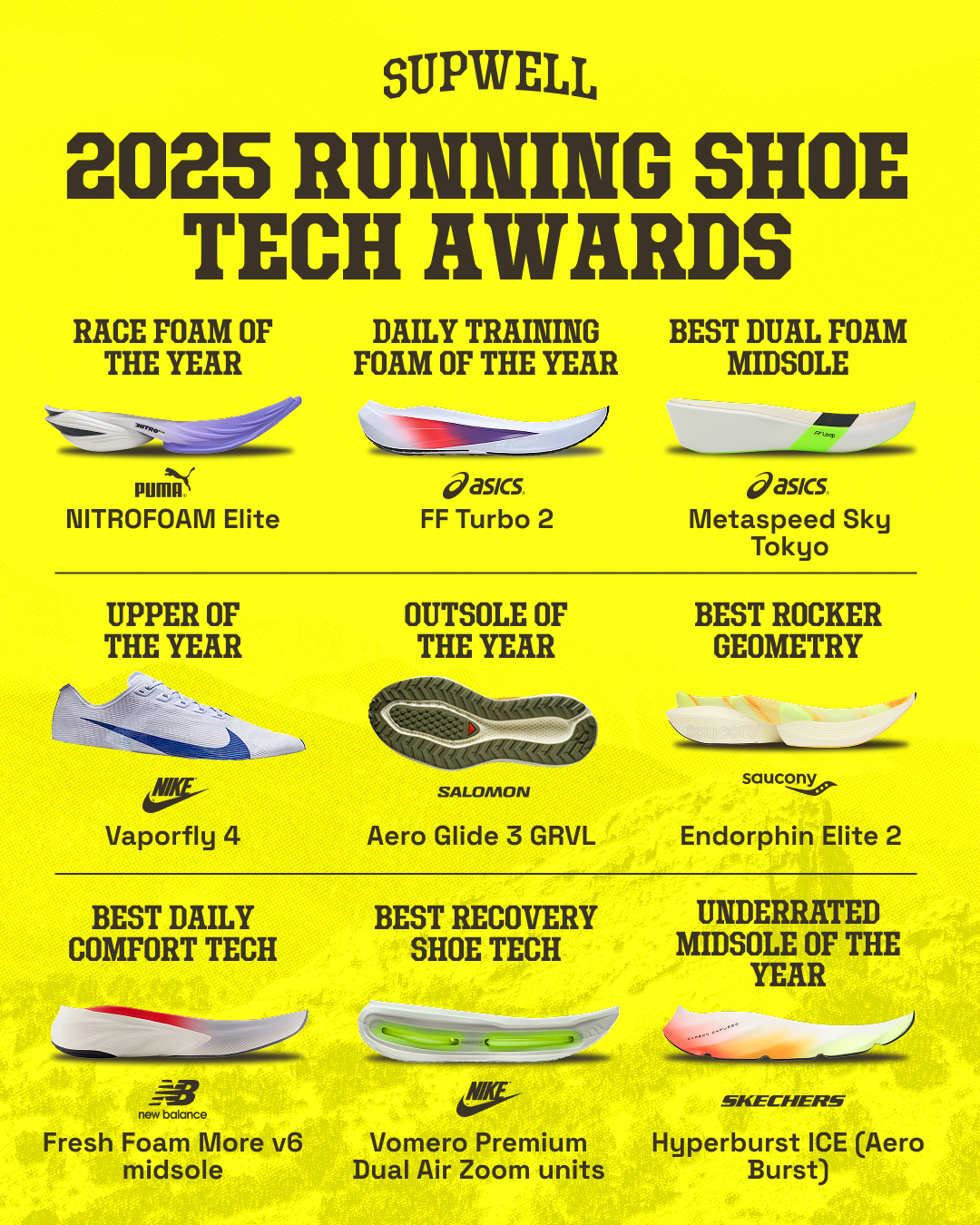
Race Foam of the Year: Puma NITROFOAM Elite
The Aliphatic TPU found in Puma’s Fast-R 3, NITROFOAM Elite is a lightning fast, ultra-responsive, featherlight compound that runs laps around other race foams. NITROFOAM Elite is the main reason why the Fast-R 3 is the official Supwell “Demon Time” shoe of the year.
Puma Fast-R Nitro Elite 3

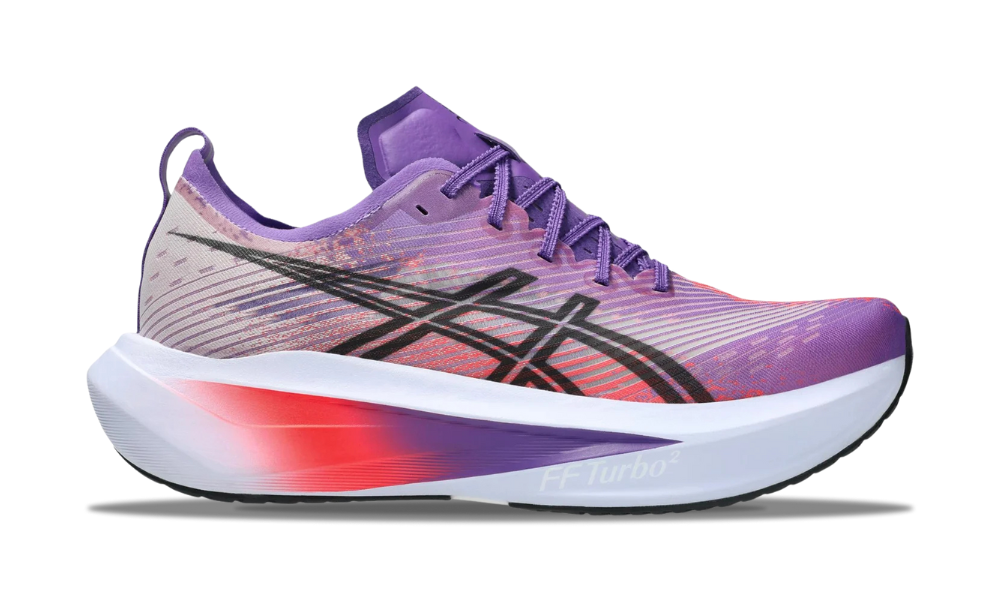
Daily Training Foam of the Year: ASICS FF Turbo2
2025 was marked by elevated foams making their way into daily trainers, and FF Turbo2 is the most exciting example yet. Making its debut in the Megablast, FF Turbo2 delivers the type of energy return and speed capability typically found only in plated racers, while also providing comfort and protection at more relaxed paces. We loved this one so much we got the Megablast up to 100 miles in only 1 week.
ASICS Megablast
Best Dual Foam Midsole: ASICS Metaspeed Sky Tokyo
Reversing the traditional configuration of firm foam on the bottom, soft foam on the top found in most dual foam shoes, ASICS implemented a top layer of aggressive FF Turbo+ (PEBA) and a softer, pliable bottom layer of their new ATPU-based FF Leap in the Sky Tokyo. The result is the most well-balanced, versatile race midsole of the year.
ASICS Metaspeed Sky Tokyo

Upper of the Year: Nike Vaporfly 4
We weren’t blown away by the Vaporfly 4’s midsole, but its upper is a different story. The engineered mesh Nike used in 4th iteration of their iconic racing shoe is simultaneously dialed-in and comfortable, providing the lockdown and security needed for fast running without the overly tight, snug feel of a traditional race upper.
Nike Vaporfly Next% 4

Outsole of the Year: Salomon Aero Glide 3 GRVL
The Aero Glide 3 was already a GOAT level daily trainer, but Salomon made it even GOAT-ier with the release of the Aero Glide 3 GRVL. Featuring a more aggressive, road-to-trail style traction pattern, the Aero Glide 3 GRVL offers control and traction in dicey conditions without sacrificing performance on the road (thanks to its pliable rubber compound).
Salomon Aero Glide 3 GRVL

Best Rocker Geometry: Saucony Endorphin Elite 2
Despite moving to a marshmallow-soft new foam in the Endorphin Elite 2, Saucony maintained the aggressive rocker geometry that made the original Endorphin Elite such a popular race day choice. We might prefer a firmer, snappier foam for PR attempts, but there’s no denying that Saucony’s Speedroll rocker geometry is elite.
Saucony Endorphin Elite 2

Best Daily Trainer Comfort Tech: New Balance Fresh Foam More v6 Midsole
The More v6 might lack the energy return runners have come to expect in 2025, but it shines as a comfy casual shoe. Delivering best-in-class pillowy comfort for walking, errands, or any activity where long time on feet is involved, the More v6 proves there’s still a place on the market for a soft, plush traditional max cushion shoe.
New Balance More v6

Best Recovery Shoe Tech: Nike Vomero Premium Dual Air Zoom Units
Inspired by anti-gravity treadmill technology, the Vomero Premium’s dual Air Zoom units help to reduce the impact of running on the musculoskeletal system. Some might argue that this is the latest example of max cushion having “gone too far,” but we love to see brands bringing new recovery innovations to the market.
Nike Vomero Premium

Underrated Midsole of the Year: Skechers Hyperburst Ice (Aero Burst)
2025 was a big year for Skechers. Seeking to position themselves as a legitimate player in the performance running game, the brand released a number of excellent training shoes with updated foams. Most notable was the Aero Burst, a sleeper pick for one of the best max cushion shoes of the year.
Skechers Aero Burst

For a weekly dose of MILEAGE, shoe reviews, and inspiration, sign up for Mileage Mantra, the Supwell weekly newsletter.
Find your next running shoe
Answer a few questions to find the best shoe based on your preferences and goals