Every Running Shoe Brand's Biggest Strength and Weakness
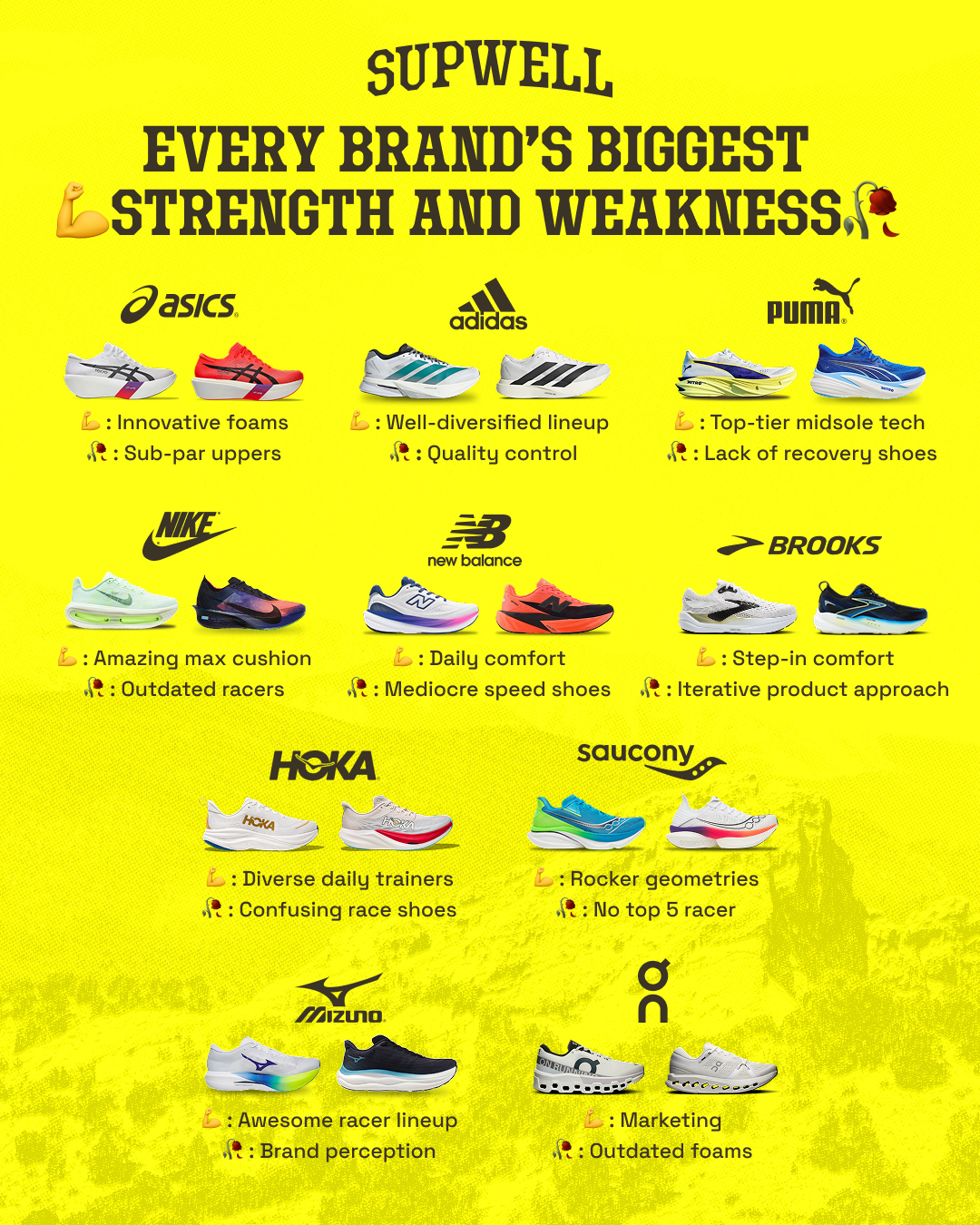
Below we are breaking down each running shoe brand's biggest strength and weakness. Find out how ASICS, Adidas, Puma, Nike, Hoka, New Balance, Brooks, Mizuno, Saucony, and On are performing when it comes to foam compounds, comfort, geometries, race-day shoes, daily trainers, and more.

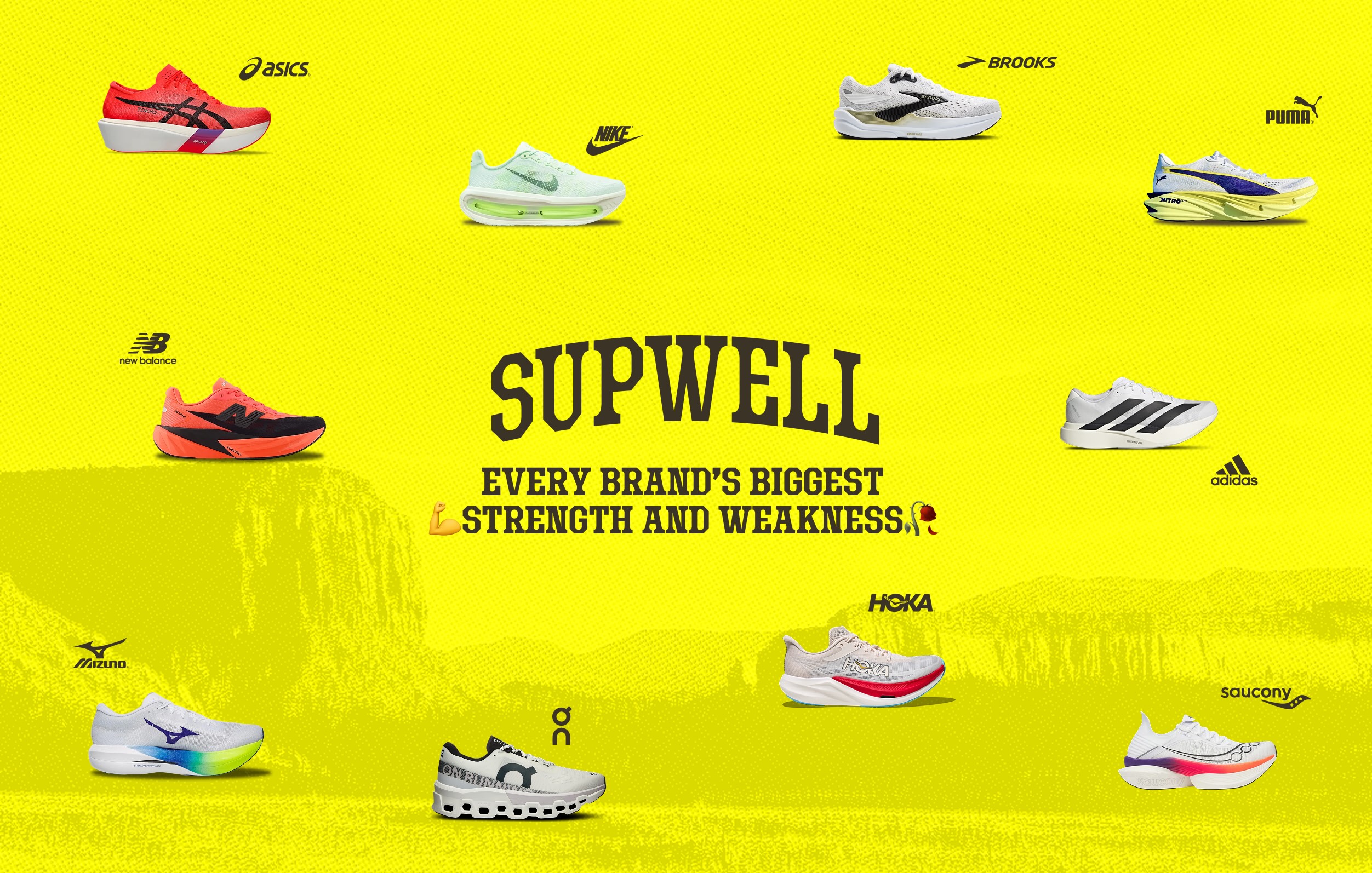
Nobody’s perfect. Every running shoe lineup has something they absolutely nail and something that still feels one update away. Some brands are pushing foam and ride innovation forward, others dominate step-in comfort and daily miles, and a few are still stuck with outdated tech or confusing race options. It’s less about who’s “best” and more about knowing who plays to their strengths.
ASICS
Biggest Strength: Innovative foams
With FF Leap redefining what’s possible in the realm of lightweight pinnacle racing shoes (Metaspeed Sky Tokyo, Metaspeed Edge Tokyo, and Metaspeed Ray) and FF Turbo2 taking the world by storm in the Megablast, ASICS is leading the charge with foam innovation in 2026.
Biggest Weakness: Sup-par uppers
ASICS is #1 in the midsole department, but their uppers are less-than-ideal across the board. The Sky Tokyo, for example, has significant bunching, while the Megablast’s upper was too constrictive for some.
ASICS Metaspeed Sky Tokyo

Adidas
Biggest Strength: Well-diversified line up
There’s truly something for everyone in the Adidas lineup, from max stack behemoths in the Prime X3 Strung, to modern racing flats in the Adios 9.
Adidas Prime X 3 Strung

Biggest Weakness: Quality control
No other brand has had so many quality control issues in recent years. For example, runners have reported significant sizing, weight and midsole-feel inconsistencies in the Evo SL depending on the shoe’s country of origin.
Adidas Adizero Evo SL Woven

Nike
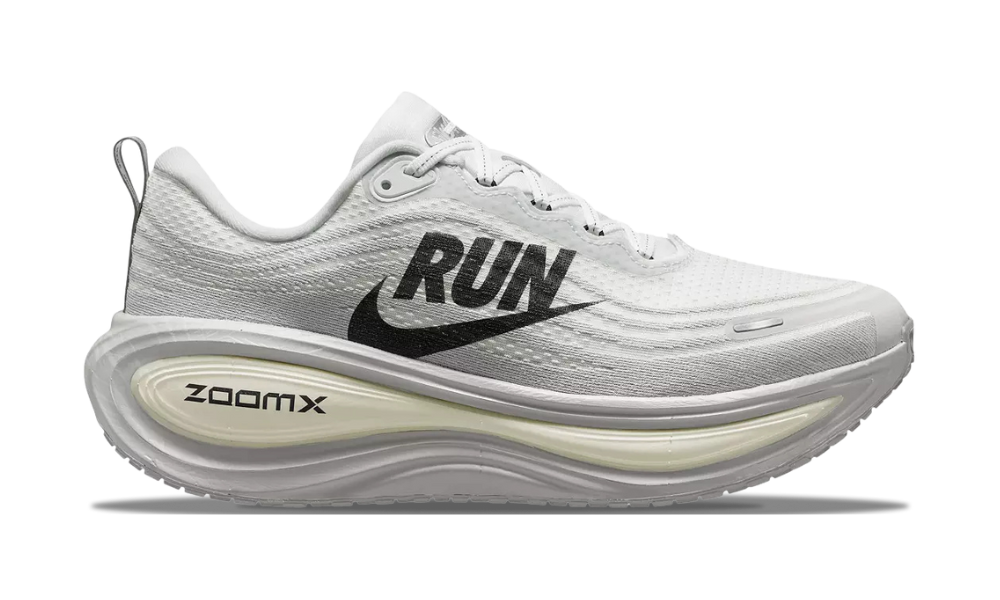
Biggest Strength: The best max cushion shoes
The Vomero Premium and the Vomero Plus are the top 2 max cushion shoes on the market right now.
Nike Vomero Plus
Biggest Weakness: Outdated racers
Both iconic Nike racers are due for an update. The Alphafly 3 has been around since late 2023, and the Vaporfly nameplate deserves a more exciting refresh.
Nike Vaporfly Next% 4

Puma
Biggest Strength: Top-tier midsole tech
Puma was ahead of the curve when they began implementing aliphatic TPU in their shoes, like we see in the Puma Fast-R 3, and now the rest of the market is scrambling to catch up.
Puma Fast-R Nitro Elite 3

Biggest Weakness: Lack of a true recovery shoe
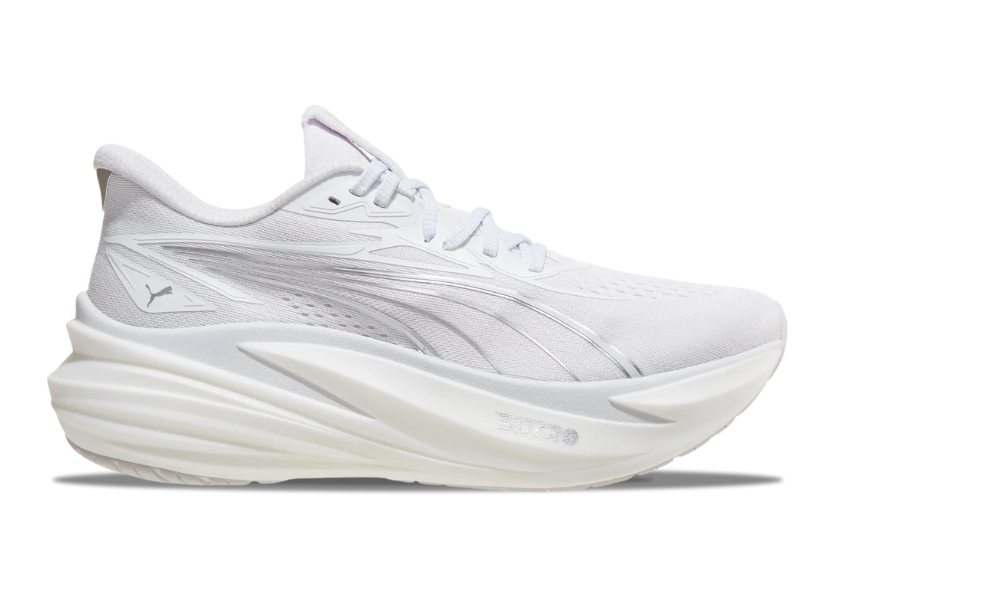
The MagMax 2 has stellar impact absorption and the Magnify Nitro 3 is a soft, well-cushioned daily option, but Puma has no true cruiser in the vein of the Vomero Premium.
Puma MagMax Nitro 2
New Balance
Biggest Strength: Daily comfort
While they might not have the most innovative foams on the market, New Balance consistently wins with daily comfort. Both the 1080v15 and More v6 are among the most pleasant shoes out there for jogging and walking.
New Balance 1080 v15
Biggest Weakness: Mediocre speed shoes
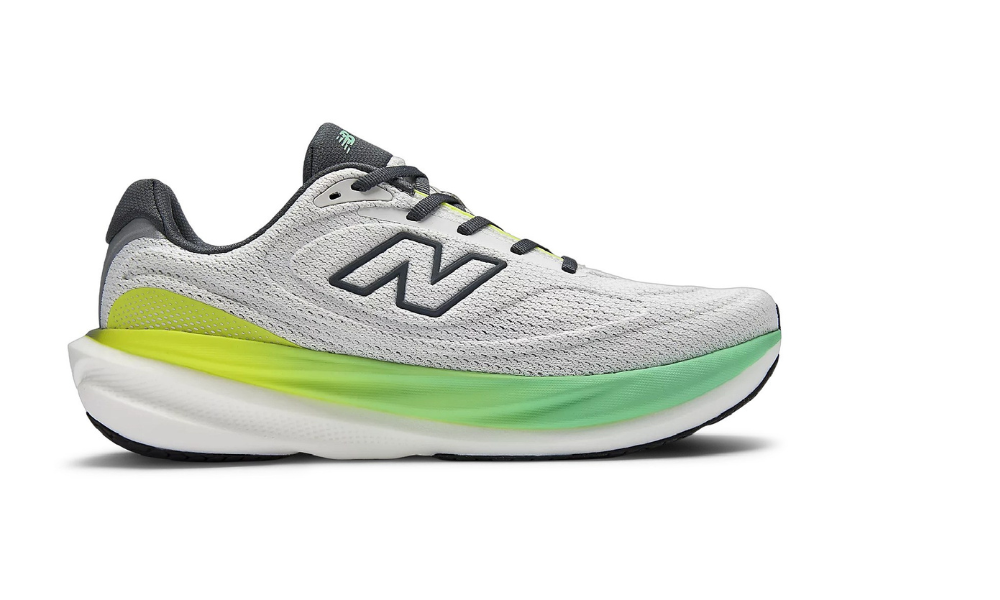
New Balance is miles behind the competition in the speed training department, with both the Rebel v5 and SC Trainer v3 feeling mushy, outdated, and flat compared to more exciting offerings from the likes of ASICS, Puma, and Mizuno.
New Balance Rebel v5
%201.png)
Brooks
Biggest Strength: Step-in comfort
Brooks dominates in traditional retail stores because their step-in comfort, such as in the Brooks Glycerin Flex, is always top notch: they recognize that a stellar initial try-on experience is essential for making a sale.
Brooks Glycerin Flex
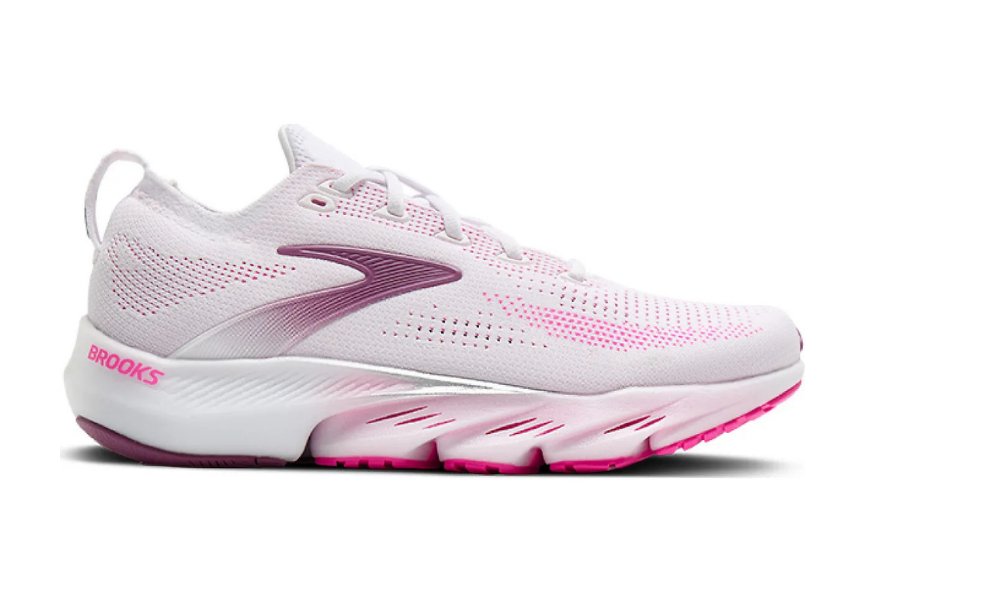
Biggest Weakness: Iterative product approach
Because Brooks has a loyal customer base that routinely buys their products year-over-year, they often hesitate to implement drastic changes, distancing themselves from the cutting edge of innovation. This is a positive for the average runner who seeks predictability in their shoes, but enthusiasts wish Brooks would show more willingness to experiment, especially with their race-day shoes like the Hyperion Elite 5.
Brooks Hyperion Elite 5

Hoka
Biggest Strength: Diverse daily training lineup
Hoka has really solid daily trainers, including the firm and smooth Skyflow, the protective Bondi 9, the uptempo Mach 6, and the traditional Clifton 10.
Hoka Bondi 9

Biggest Weakness: Confusing race shoes
Hoka’s positioning of their race lineup is sub-optimal. The Cielo X1 3.0 is a confusing name that doesn’t clearly communicate the shoe’s purpose to the consumer, and the Rocket X3, which many would assume is the fastest option based on its name, is actually a fairly boring, run-of-the-mill racing shoe. Make it make sense, Hoka.
Hoka Rocket X 3
.png)
Saucony
Biggest Strength: Rocker geometries
Saucony is known for implementing aggressive rocker geometries in their training shoes. The new Endorphin Azura, for example, is built on the last of the iconic, highly-rockered Endorphin Elite OG.
Biggest Weakness: No top 5 racer
While the Endorphin Elite 2 features an innovative midsole compound, it simply isn’t in the same conversation as top-tier racers like the Fast-R 3, Metaspeed Sky Tokyo, and SC Elite v5.
Saucony Endorphin Elite 2

Mizuno
Biggest Strength: Awesome racer lineup
Mizuno’s racers all look pretty similar, but in practice, they each have a unique ride experience and distinct intended purpose. The Hyperwarp Pure is their lightweight, pinnacle shoe, the Hyperwarp Elite is the Metaspeed competitor indended to have mass market appeal, and the Hyperwarp Pro is the stable, workmanlike option.
Mizuno Hyperwarp Pure
.png)
Biggest Weakness: Brand perception
Despite Mizuno’s recent innovations, many runners still see them as a boring legacy brand that’s been around forever, but has never made it into the mainstream.
On
Biggest Strength: Marketing
On has been highly successful in defining “everyday comfort” for a mass audience, as seen in the . Despite their shoes being firmer-than-average, their marketing department has made CloudTec synonymous with comfort in mainstream culture.
Biggest Weakness: Reliance on outdated tech
On is still using standard EVA in 2026 and calling it “superfoam.” If they want to be taken seriously by the enthusiast community, this has to change.
On Cloudsurfer 2
%209.png)
Supwell Shoe Matcher
Whether you're looking for a reliable easy run shoe, pampering comfort on recovery days, a long-run cruiser, or a race day weapon, check out our Shoe Matcher tool to get matched. We've done the extensive testing, so you don't have to.
Find your next running shoe
Answer a few questions to find the best shoe based on your preferences and goals