Running Shoe Tech Tier List
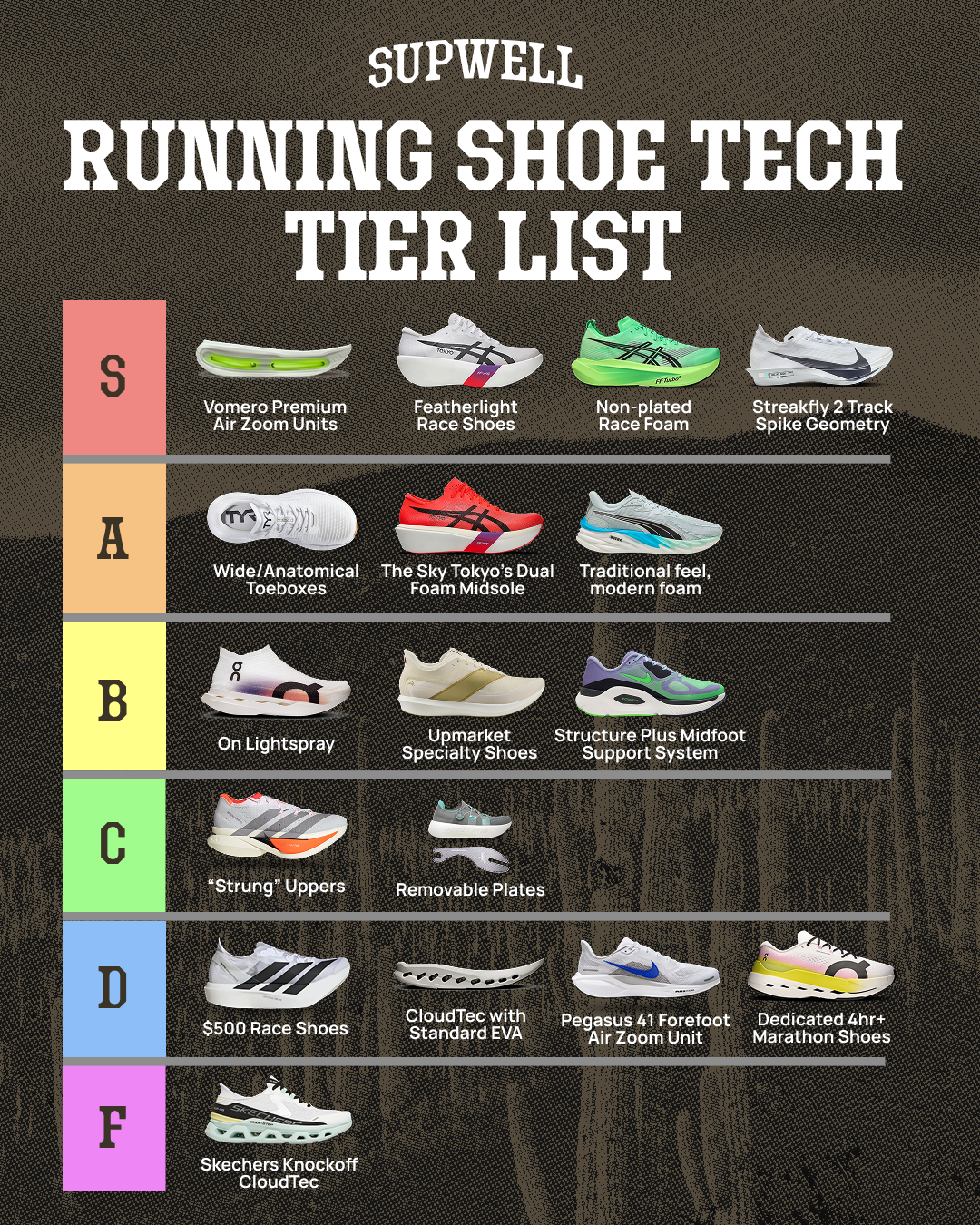
Below we ranked some of the new technologies and innovations that have hit the running shoe market in the last couple of years. Find out how we ranked tech trends such as the featherweight race foam in the ASICS Metaspeed Ray, the Air Zoom units in the Nike Vomero Premium, lightspray uppers such as in the On Cloudboom Strike LS, the CloudTec air units in the On Cloudmonster Hyper, and more.

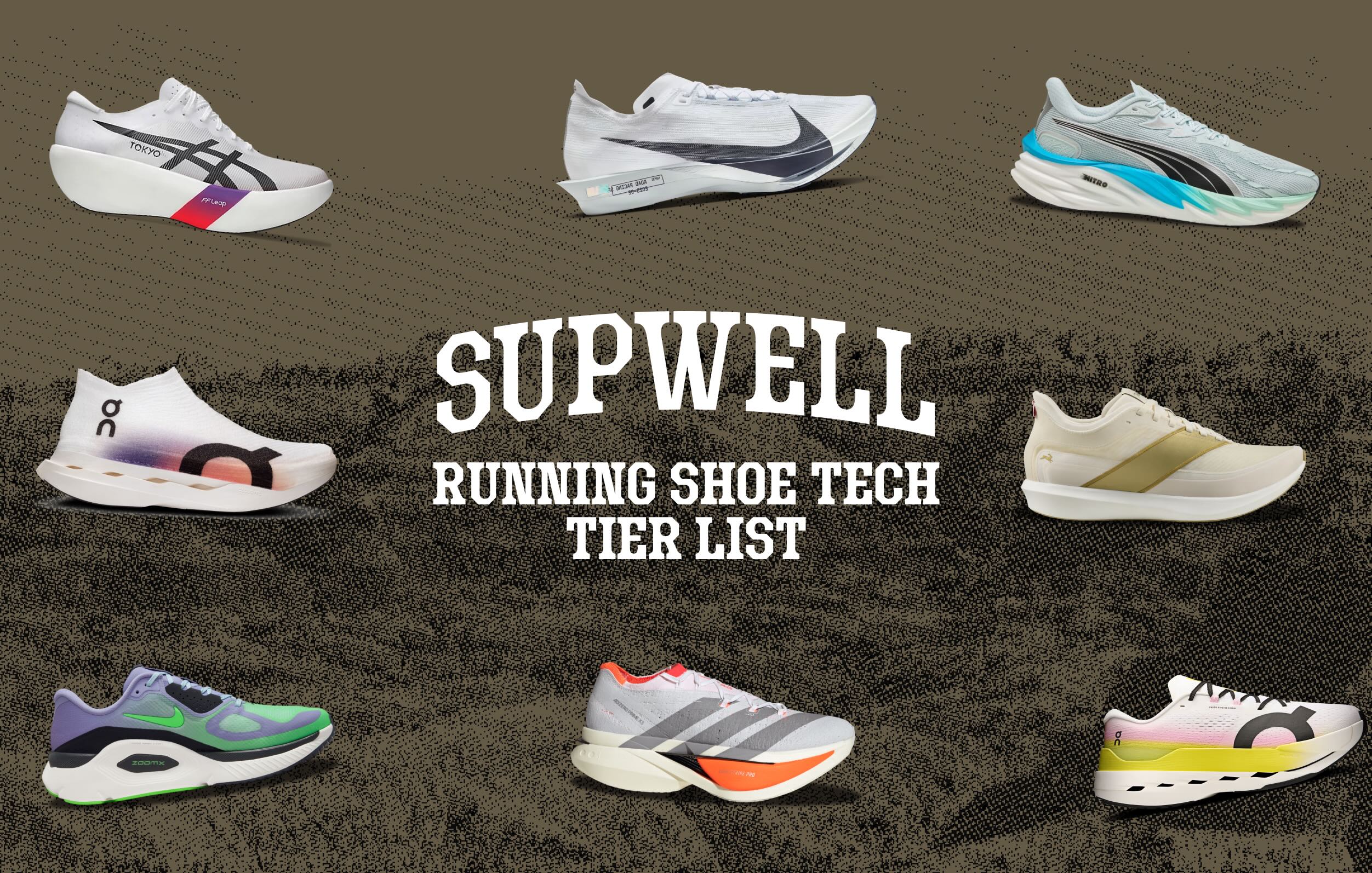
We ranked some of the biggest running shoe tech trends from S-tier game changers to F-tier misses based on real-world performance, value, and innovation. From race-day foams and featherlight builds at the top to overpriced gimmicks and questionable tech at the bottom, this list is all about separating innovation from noise. Not every flashy feature earns its keep once the miles stack up.
S-Tier: Transcendent
Nike Vomero Premium Air Zoom Units
Many thought this would be a gimmick, but Nike’s latest recovery tech delivers genuine performance.
Nike Vomero Premium

Featherweight Race Shoes
The search for the lightest viable marathon shoe is the new frontier of race day innovation, and shoes like the Metaspeed Ray are leading the charge.
ASICS Metaspeed Ray

Nike Streakfly 2 Track Spike Geometry
With its track-spike inspired geometry, the Streakfly 2 was one of the fastest (and most innovative) shoes of the year.
Nike Streakfly 2
.png)
Non-Plated Race Foam
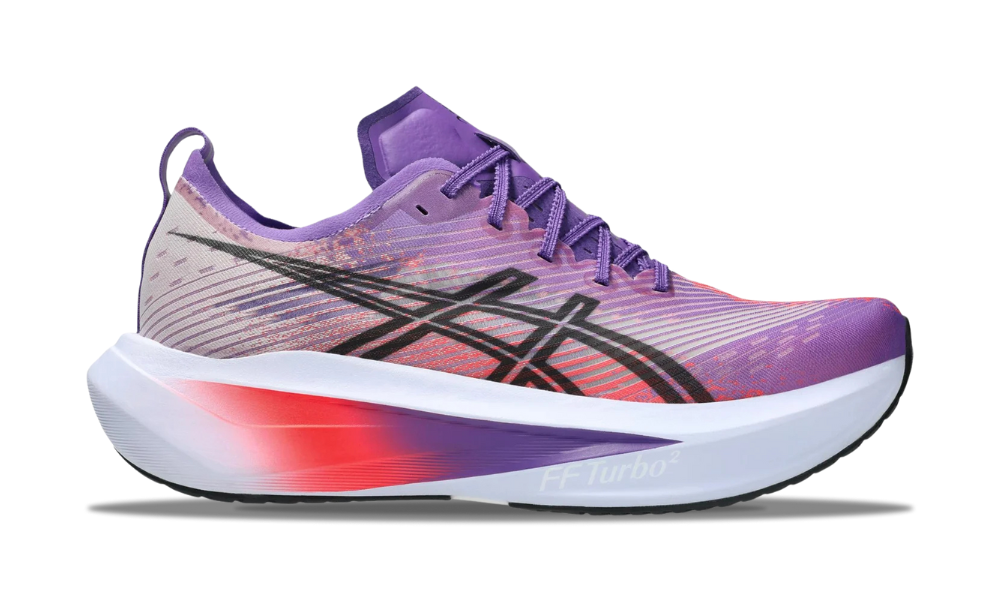
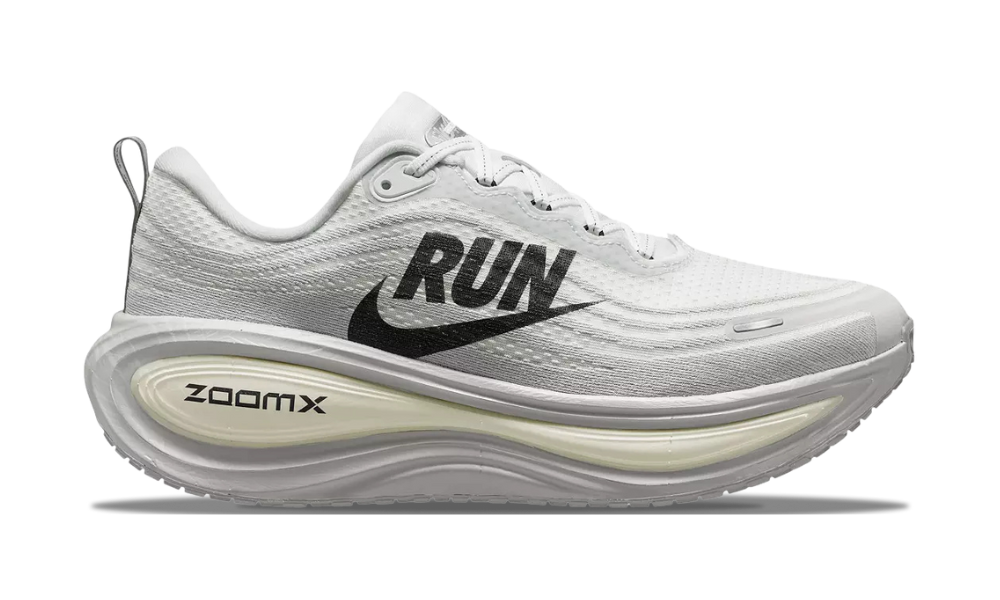
Many of 2025’s top shoes, including the Megablast, EVO SL and Vomero Plus, all used race-caliber foam without a plate to great success. This formula is here to stay.
ASICS Megablast
Nike Vomero Plus
A: Banger
The ASICS Metaspeed Sky Tokyo's Dual Foam Midsole
ASICS successfully shook up the dual foam format by placing softer & bouncier foam (FF Leap) on the bottom with a firmer, more aggressive foam (FF Turbo+) up top in the Sky Tokyo’s midsole.
ASICS Metaspeed Sky Tokyo

Traditional Feel, Modern Foam
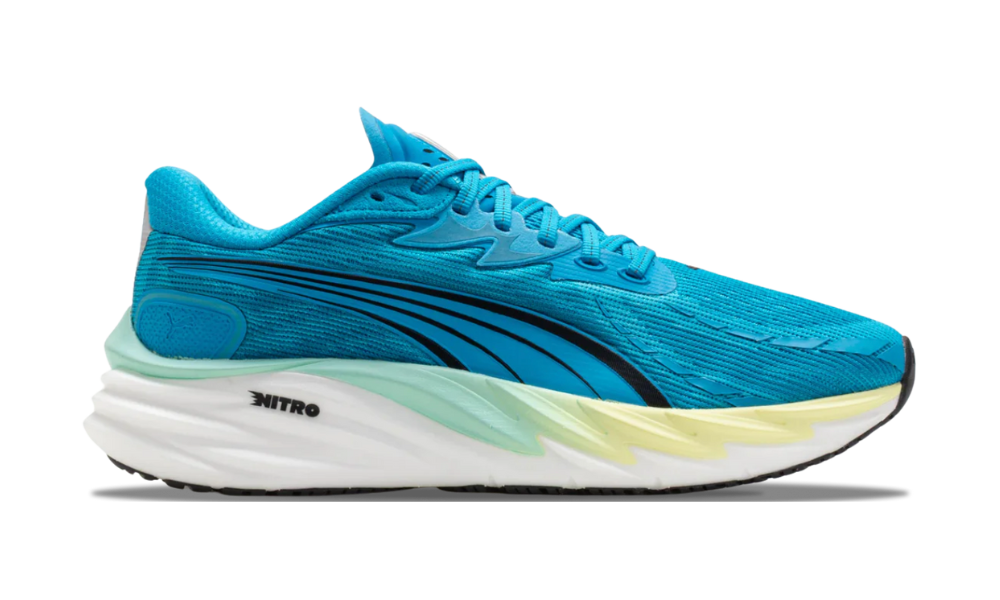
Shoes like the Puma Velocity Nitro 4 perfectly blend modern and classic running shoe tech, providing a flexible ride and plenty of ground feel without sacrificing protection and bounce.
Puma Velocity Nitro 4
Wide/Anatomical Toe Boxes (in non-Barefoot Mafia Shoes)
We’re not ready to join barefoot mafia, but there’s something to be said for a wide, accommodating toebox (when combined with a modern running shoe midsole, such as in the TYR Maverick-V1 Runner).
TYR Maverick-V1 Runner
%207.png)
B: Good
On Lightspray Technology
On’s Lightspray tech found in the Cloudboom Strike LS is very impressive from an engineering standpoint (and it’s runnable,) but most people are better off with a standard upper.
On Cloudboom Strike LS

Upmarket Specialty Shoes
We see no problem with upmarket, niche shoes—so long as the performance is reasonably on par with broader market standards (like the Tracksmith Eliot Racer).
Tracksmith Eliot Racer
.png)
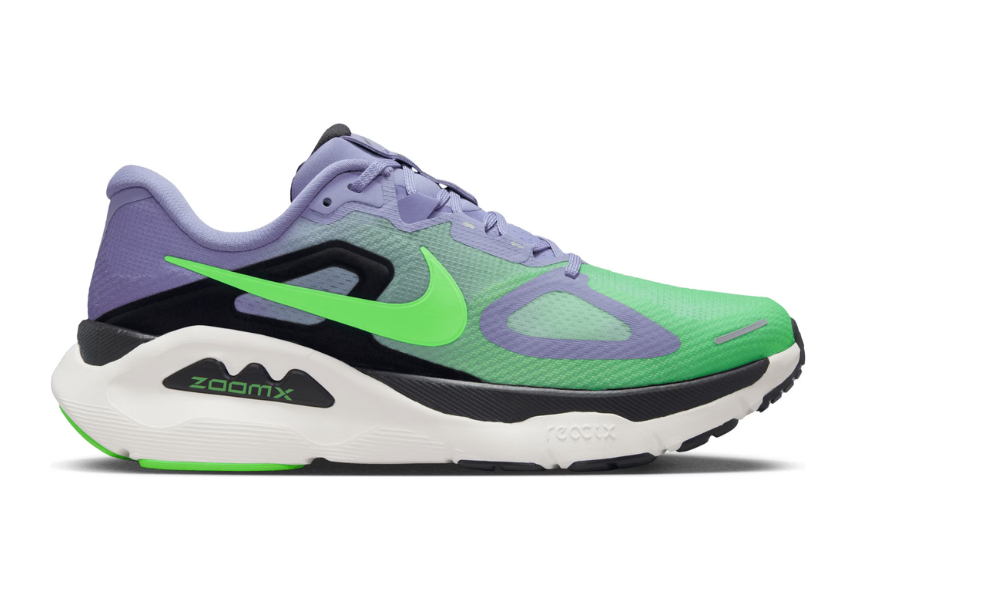
Nike Structure Plus Midfoot Support System
The Midfoot Support System in the Nike Structure Plus provides excellent stability, but it’s likely too intrusive for the average runner. If you don’t like a chunky heel, stay far, far away.
Nike Structure Plus
C: Fine
Adidas "Strung" Uppers
It feels like Adidas uses “Strung” uppers in the Prime X line just for the sake of it. Sure, it looks cool, but a normal upper would do the job just fine.
Adidas Prime X 3 Strung

Speedland Removable Plates
While we applaud Speedland for their innovative removable plate design, the plateless configuration of the RX:FPY was way better. With the plate, the shoe turns into a heavy, less bouncy, sub-par racer.
Speedland RX:FPY

D: Mid
$500 Race Shoes
We could stomach the idea of a $500 race shoe if it were to provide a ride unlike anything else. The problem is that the Pro Evo 2 is too unremarkable to be $200 more expensive than shoes like the Puma Fast-R 3.
Adidas Adizero Adios Pro Evo 2

On CloudTec (with Standard EVA)
Holes in a midsole don’t do much if the foam itself is ultra firm. We’d love to see On experiment with CloudTec and modern compounds.
On Cloudflow 5
.png)
Dedicated 4+ Hour Marathon Shoes
So far, this genre of race shoe has failed to justify its own existence. Why pay $230 for the heavy and lifeless Cloudboom Max, when the $200 Superblast 2 offers all the protection, stability and bounce needed for long time on feet?
On Cloudboom Max

Nike Pegasus 41 Forefoot Air Zoom Unit
The Air Zoom unit in the Pegasus 41 feels more like a marketing ploy than a genuine addition to the midsole.
Supwell App
For great deals on gently used or brand new running shoes, sign up for the Supwell app. You'll get DAILY motivation, the most supportive hobby jogger community, best buy, sell and trade shoe marketplace and exclusive Hobby Jogger gear discounts, including access to the Running Warehouse code that will get you 20% off of clearance shoes.


Join the buy, sell, trade marketplace.
Find your next running shoe
Answer a few questions to find the best shoe based on your preferences and goals